In-person Cardiology Appointment at LIPS Healthcare
You can see your Cardiologist face-to-face in-clinic for a consultation
Personalised advanced cardiac care for every stage of your heart health journey.

Personalised advanced cardiac care for every stage of your heart health journey.
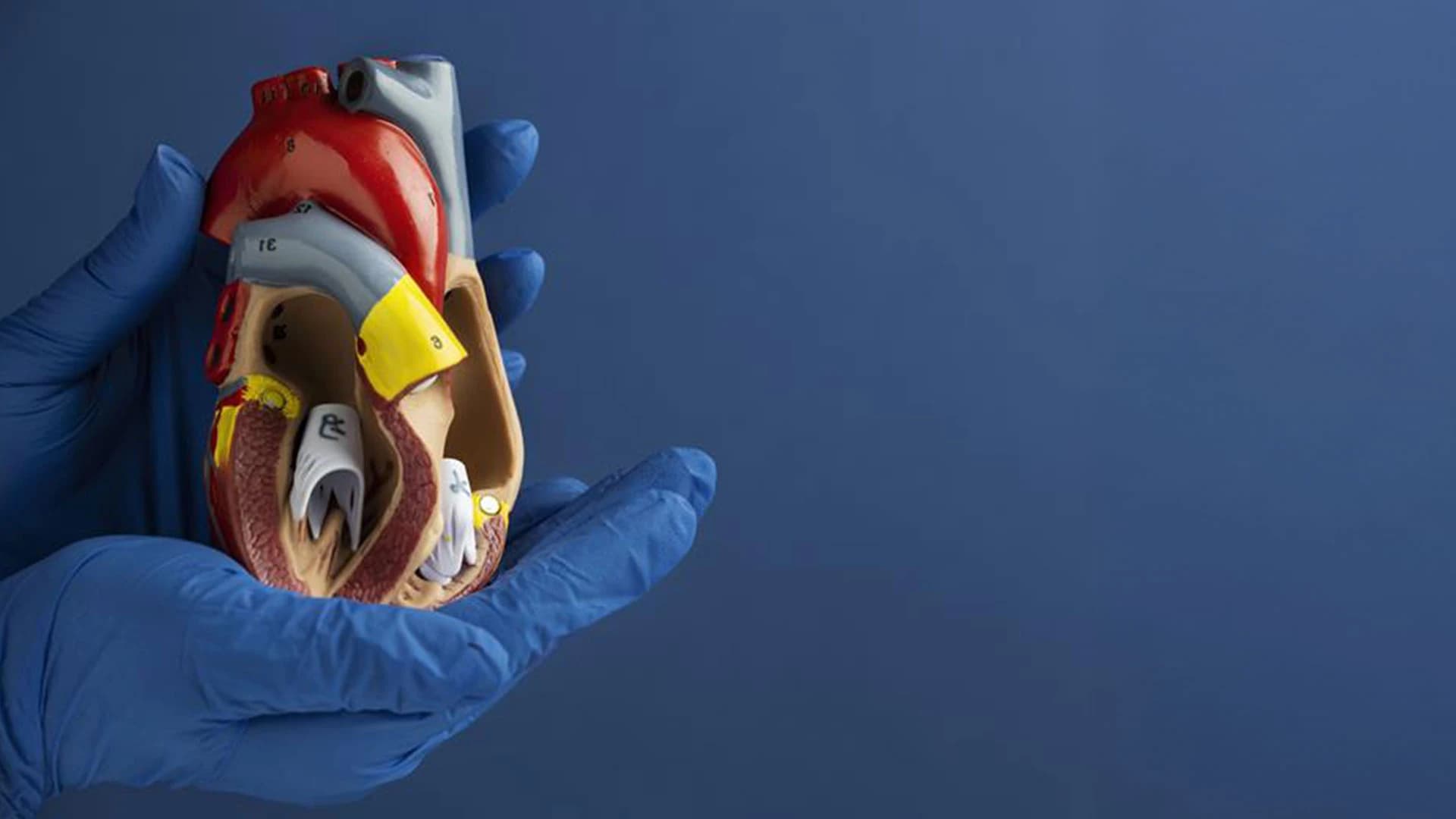
ECG (Electrocardiogram): Records the electrical activity of the heart to detect irregular heart rhythms, heart disease and other cardiac problems.
Echo (Echocardiogram): Uses ultrasound waves to create moving images of the heart, showing its structure, pumping function and valve performance.
Step 1
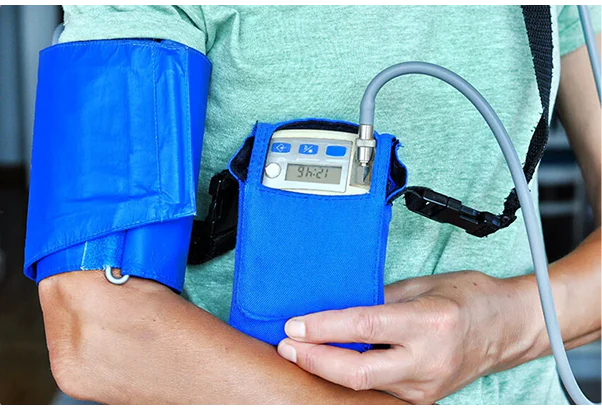
Our cardiology team at Turbine Hall B, Battersea Power Station fits the lightweight device in a short appointment.
Step 2
The device records readings automatically while you work, travel, and sleep. No lifestyle changes are needed.
Step 3
Bring the monitor back to LIPS Healthcare after 24 hours. Your cardiologist reviews the full data and provides a written report within 24 to 48 hours.
High blood pressure is often asymptomatic. You can have it without feeling unwell. ABPM is recommended for:

Suspected high blood pressure
Inconclusive or elevated clinic readings that need a reliable 24-hour picture.

Cardiovascular disease
Patients already managing a heart condition who require ongoing blood pressure assessment.

Routine health check
Anyone following a referral, a clinical recommendation, or a personal concern about high blood pressure.

Mild symptoms
Headaches, breathlessness, or palpitations that may be linked to blood pressure changes.

Family history
Anyone with a family history of hypertension or cardiovascular disease, from age 18 onwards.
You can see your Cardiologist face-to-face in-clinic for a consultation
You can book a virtual Cardiology consultation.
Cardiac Healthscreen Essential
3 Tests

Referral
Not Required

Gender
Both

Included Tests

12 lead ECG with blood pressure check
Lipids
£185
Cardiac Healthscreen Standard
4 Tests
Referral
Not Required
Gender
Both
Included Tests
12 lead ECG with blood pressure check
Lipids
£595
Cardiac Healthscreen Ultimate
5 Tests
Referral
Not Required
Gender
Both
Included Tests
12 lead ECG with blood pressure check
Lipids
£725
LIPS CT & ECG Cardiac Assessment
4 Tests
Referral
Required
Gender
Both
Included Tests
CT calcium score
12 lead ECG with blood pressure check
£850
LIPS Cardiac & Artery Assessment
4 Tests
Referral
Required
Gender
Both
Included Tests
CT Coronary Angiogram
12 lead ECG with blood pressure check
£2,250
You can book an appointment through any of the following options:
Email us at info@lips.org.uk
Call us at +44 (0) 207 164 6114.
Book directly through our website.
Self-Pay
Booking Online:
Debit or credit card (Visa & Mastercard)
Apple Pay or Google Pay
Booking Over the Phone:
A secure online payment link, shared by the medical assistant.
Alternatively, you can provide your card details over the phone to our medical assistant for a secure one-time card payment.
Insured:
You must provide the following details at the time of booking, either online, over the phone or via email:
Insurer name
Authorisation code
Membership number
Hypertension, or high blood pressure, is a condition where the force of the blood against the artery walls is consistently too high. It often develops over time and may not cause noticeable symptoms. If left untreated, it can increase the risk of serious health problems like heart disease, stroke, and kidney damage.
Yes, high blood pressure can cause dizziness, particularly during a hypertensive crisis or as a side effect of certain blood pressure medications. It may also affect blood flow to the inner ear, which helps control balance. If dizziness is sudden or severe, seek medical attention.
Heart failure doesn’t mean your heart has stopped working, it means your heart isn’t pumping blood as well as it should. When this happens, your body may not get enough oxygen and nutrients to work properly. You might feel tired, short of breath, or notice swelling in your legs or ankles.
It’s a long-term condition, but with the right treatment and lifestyle changes, many people live well with heart failure and keep it under control.
Heart failure usually happens when something damages or weakens the heart over time. Some of the most common causes include:
High blood pressure – makes the heart work too hard, causing it to weaken.
Heart attacks – can damage the heart muscle.
Heart valve problems – can affect blood flow and strain the heart.
Irregular heartbeats (arrhythmias) – can make the heart less efficient.
Diseases of the heart muscle (cardiomyopathy) – sometimes genetic or caused by infections, alcohol, or drug use.
Other health issues like diabetes, obesity, and thyroid problems can also play a role. Over time, these conditions make it harder for the heart to pump blood properly.
Congestive heart failure is usually described in four stages (A to D). These stages help doctors understand how advanced the condition is and guide treatment. Here’s a simple breakdown:
Stage A – At Risk
You don’t have heart failure yet.
But you have risk factors like high blood pressure, diabetes, or a family history of heart problems.
Goal: Prevent heart failure from developing with healthy habits and possibly medications.
Stage B – Early Heart Damage
Your heart has some damage or changes, but you don’t have symptoms yet.
Maybe you've had a heart attack or tests show your heart isn't pumping quite normally.
Goal: Start treatment early to stop it from getting worse.
Stage C – Symptoms Appear
You’ve been diagnosed with heart failure.
You may feel tired, short of breath, or notice swelling in your legs or ankles.
Goal: Manage symptoms and improve quality of life with medications, lifestyle changes, and regular follow-ups.
Stage D – Advanced Heart Failure
Symptoms are more severe and ongoing, even with treatment.
You may feel breathless at rest or have frequent hospital visits.
Goal: Specialized care, possibly including advanced therapies or procedures.
One key sign that heart failure may be getting worse in older adults is increasing shortness of breath, especially during everyday activities, or even when resting or lying down.
Other warning signs to watch for include:
Sudden weight gain (from fluid buildup)
Swelling in the legs, ankles, or belly
Feeling more tired or weak than usual
Coughing or wheezing, especially at night
Feeling confused or having trouble concentrating
If any of these symptoms appear or get worse, it's important to contact a healthcare provider right away. Catching changes early can help prevent serious complications.
Yes, you can live with heart failure. While it’s a long-term condition, many people manage it well and continue to live full, active lives.
The key is taking care of your heart every day. That means following your doctor’s advice, taking medications as prescribed, eating a heart-healthy diet, staying active, and keeping an eye on symptoms. Regular check-ups help your healthcare team catch any changes early and adjust your treatment if needed.
With the right care and lifestyle, heart failure doesn’t have to stop you from doing the things you enjoy.