Yes, in many women. Changes in gut motility, the microbiome and bowel habits can all contribute. Stress, diet and food intolerances play a role too. Persistent or new-onset bloating always warrants a proper clinical assessment rather than the assumption that it is purely hormonal.
- Home
- About LIPS Healthcare
- Health Blogs
- Glp 1 Weight Loss

Ms Monica Durigon
13, November 2026
GLP-1 weight loss works by reducing appetite and increasing fullness, which helps many people eat less and lose a clinically meaningful amount of weight. The medication, though, is only one part of the picture. What you eat, how much muscle you keep and how your wider health is monitored all shape the result. At the Weight Management and Metabolic Health Clinic (WEMAC) at LIPS Healthcare, Battersea Power Station, GLP-1 treatment sits within a 52-week programme combining medical assessment, pharmacy monitoring and personalised nutrition. This guide explains how it works and what makes it safe and lasting.
At a glance
- GLP-1 medication reduces appetite; it does not replace good nutrition.
- Some weight lost can be muscle, so protein and resistance exercise matter.
- Best results come from medical supervision, not medication alone.
TABLE OF CONTENTS:
How does GLP-1 weight loss work?
GLP-1 weight loss works because GLP-1-based medications reduce appetite and increase satiety, so you feel fuller sooner and eat less without constant hunger. For the right person, under appropriate medical supervision, they can be highly effective tools.

For many people this makes real change feel possible. Portions become smaller and cravings often ease. The important point is what happens around the medication: it can lower how much you eat, but it cannot choose what you eat, protect your muscle or build the habits you will rely on afterwards. That is why it is best understood as one part of a wider programme, not a standalone fix.
Why medical supervision matters for GLP-1 weight loss
Medical supervision matters because weight is rarely driven by one factor, and the safest treatment depends on your wider health. Insulin resistance, diabetes, thyroid health, hormonal changes and other medications can all affect both your weight and how treatment should be managed.
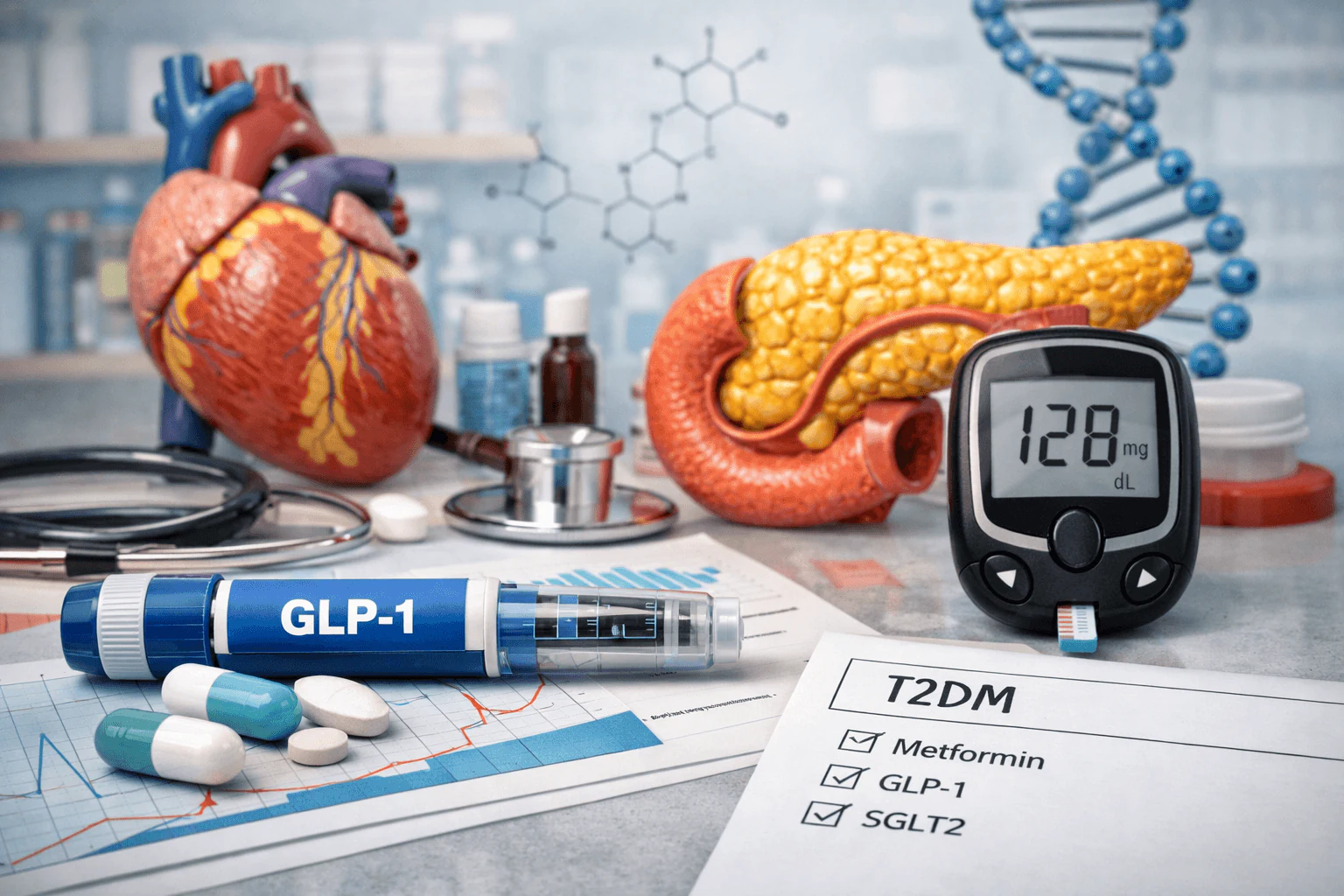
At WEMAC, treatment begins with a thorough medical assessment. Our consultant endocrinologist reviews your medical history, relevant risk factors, blood tests and goals before therapy starts. The pharmacy team then monitors tolerance, side effects and dose titration as treatment progresses. The medication is never prescribed in isolation; it is part of a monitored clinical pathway at our Battersea Power Station clinic.
Why nutrition matters during GLP-1 treatment
Nutrition matters during GLP-1 treatment because when appetite falls, the intake of important nutrients can fall with it. Eating less is helpful for weight, but it can also mean too little protein, fibre, vitamins, minerals, essential fats and fluid.

This is where nutritional support becomes important. As portions shrink, the goal is to make sure the food you do eat still provides what your body needs. A dietitian can assess your intake, nutritional requirements and eating patterns, then help you build meals that support your health, body composition and treatment goals. Current expert guidance on GLP-1-based therapies increasingly emphasises adequate protein, micronutrients and nutrition support throughout treatment.
Protecting muscle while losing fat
Protecting muscle while losing fat is one of the most important parts of this journey, because when you lose a lot of weight, some of the loss can be lean muscle rather than fat. This is not unique to GLP-1 treatment; it can happen with substantial weight loss by any method.
Muscle matters because it supports strength and mobility, glucose regulation, metabolic health, bone health and healthy ageing. So the number on the scales is not the whole story; the type of weight you lose matters too. At WEMAC, body composition is reviewed alongside food intake and metabolic health, and the nutrition plan is designed to support fat loss while helping preserve lean tissue. Protein intake is one of the first things assessed, together with resistance exercise and overall dietary quality.

Good support goes beyond protein. It also considers fibre, plant-food variety, essential fats, hydration, micronutrients, digestive symptoms and meal timing. WEMAC patients use food diaries so recommendations are based on what they actually eat, and a personalised supplement plan is informed by blood-test results and that food diary, so any supplementation is targeted to real needs.
Managing GLP-1 side effects and digestion
GLP-1 side effects are often digestive, including nausea, constipation, diarrhoea, reflux or feeling too full, and these can make good nutrition harder. Small practical changes often make a real difference.
Adjusting portion sizes, meal timing, fibre intake, hydration or the types of food you eat can all help you stay well-nourished while your body adapts. The aim is to keep your nutrition as complete as possible while working with what you can comfortably tolerate. If side effects are persistent or severe, the clinical team reviews them as part of the monitored pathway rather than leaving you to manage alone.

People travel to the WEMAC clinic from Nine Elms, Vauxhall, Chelsea, Clapham and Pimlico, and the clinic is a short walk from the Northern line and reachable on the London Overground, which makes regular review appointments easier to keep.
What good weight loss looks like beyond the scales
Good results are about more than the scales; they are about losing fat while protecting muscle, meeting your nutritional needs and improving your metabolic health. WEMAC stands for Weight Management and Metabolic Health Clinic for a reason.

Alongside weight, the programme considers markers such as HbA1c, lipids, thyroid function and body composition. A successful journey asks more than how much weight you have lost. It also asks whether you are preserving muscle, meeting your nutritional needs, improving your metabolic health and building habits you can maintain. Because needs change as treatment progresses, the WEMAC pathway includes repeated nutrition reviews, pharmacy monitoring and medical follow-up, with a multidisciplinary review at the midpoint of the 52-week programme.
Frequently asked questions about gut health and menopause
Emerging research suggests that the gut microbiome and oestrogen metabolism interact through the estrobolome. However, we do not yet have sufficient clinical evidence to reliably alter menopause symptoms by targeting specific microbial patterns. Diet, fibre intake and fermented foods are the most evidence-based starting points.
Early evidence is encouraging but not yet conclusive. Probiotic effects are strain-specific, so choosing based on a label is unreliable. Fermented foods are a safer and better-evidenced daily habit. For specific probiotic supplementation, speak to a clinician who can advise based on your individual history.
A diverse range of plant foods, adequate fluid intake and fermented foods where tolerated provide the most consistent dietary support. Oats, beans, lentils, vegetables, whole fruit and nuts all contribute fibre and support the microbiome. Introducing variety gradually tends to work better than sudden large increases in fibre.
See a clinician promptly if you notice persistent changes in bowel habits, unexplained weight loss, blood in the stool, significant abdominal pain or symptoms that interfere with daily life. Do not assume all new digestive symptoms are hormonal. Specialist gastroenterology assessments, including same-day consultations, are available at LIPS Healthcare, Battersea Power Station.
It can be useful in specific clinical contexts when interpreted alongside symptoms, dietary intake, bowel habits, medical history and relevant investigations. A test result on its own is not a diagnosis. The value depends on whether the findings change the clinical approach. Discuss with a clinician whether it would genuinely add to your management plan.
Sources
- NHS: Semaglutide (Wegovy) for weight loss
- NICE: Obesity and weight management guidance
- Pedersen SD et al. Pharmacotherapy for obesity management in adults: 2025 clinical practice guideline update. CMAJ. 2025;197(27)
- Donini LM et al. Strategies for minimising muscle loss during incretin-mimetic drugs for obesity. Obes Rev. 2024
- Binmahfoz A et al. Resistance exercise and body composition during dietary weight loss: systematic review and meta-analysis. BMJ Open Sport Exerc Med. 2025;11(3)
Medication is a tool, not the whole answer. Book a consultation with the Weight Management and Metabolic Health Clinic at LIPS Healthcare, first floor, Turbine Hall B, Battersea Power Station, to see whether WEMAC is right for you. Visit our Nutrition Page.
Medical disclaimer
This article is for general information only and does not replace advice from a qualified healthcare professional. Guidance on flu vaccination is updated each season. If you have questions about the flu jab and your own health, speak to a doctor, pharmacist or midwife.