

Cataracts

Normal
Cataracts
Surgery with Premium Full Range VISION lenses, multifocal, toric, and spheric IOL options. Mr Kasmiya holds an outstanding high success and very low complication rate, well below the national standard.
A private ophthalmologist in London gives you access to outstanding consultant-led eye care with no GP referral required and no NHS waiting list. LIPS Healthcare offers a dedicated private ophthalmology service at Battersea Power Station, covering premium lens replacement and cataract surgeries, watery eyes, oculoplastic, dry eyes, neuro-ophthalmology, retina, and glaucoma.

A private ophthalmologist in London gives you access to outstanding consultant-led eye care with no GP referral required and no NHS waiting list. LIPS Healthcare offers a dedicated private ophthalmology service at Battersea Power Station, covering premium lens replacement and cataract surgeries, watery eyes, oculoplastic, dry eyes, neuro-ophthalmology, retina, and glaucoma.
The ophthalmic team is led by Mr Maan Kasmiya, a consultant ophthalmologist with over 22 years of experience in full range of eye condition and eye surgery. Patients travel to us from Chelsea, Pimlico, Vauxhall, Nine Elms, Clapham, Wandsworth, and across south and central London. This page explains what our service covers, what to expect at your appointment, and how to book.
Urgent Eye Emergency
If you experience sudden loss of vision, a curtain across your visual field, a sudden increase in floaters or flashes of light, or severe eye pain with redness, call 999 or attend your nearest emergency department immediately. These may be signs of a retinal detachment or acute angle-closure glaucoma, which require urgent treatment.
A private ophthalmologist treats the full range of medical and surgical eye conditions, from cataracts and glaucoma to retinal disease, macular degeneration, and dry eye. At LIPS Healthcare, our specialists diagnose and treat all of the following:
Cataracts
Normal
Cataracts
Surgery with Premium Full Range VISION lenses, multifocal, toric, and spheric IOL options. Mr Kasmiya holds an outstanding high success and very low complication rate, well below the national standard.

Macular Degeneration

Normal
Age-Related Macular Degeneration
Wet and dry AMD diagnosis, monitoring, and intravitreal injection therapy, OCT scan and retinal examination
Dry AMD management including new treatment Valeda Light Therapy

Diabetic Retinopathy

Normal
Diabetic Retinopathy
Retinal screening, diagnosis, and treatment for diabetes-related eye damage. Retinal laser, intravitreal steroid and Anti-VEGF injections

Glaucoma

Normal
Glaucoma
Ocular hypertension, Open-angle, angle-closure assessment management. Visual field assessment
Disease & Blepharitis
Normal
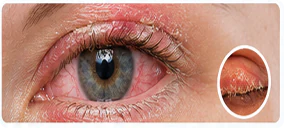
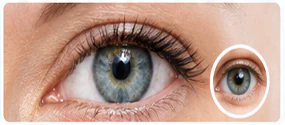
Dry Eye Disease & Blepharitis
Meibomian gland dysfunction assessment and advanced dry eye treatment including new therapies and IPL.

Retinal

Normal
Retinal Conditions
Retinal tears, vein occlusion, epiretinal membrane, vitreomacular traction assessment, and floaters.

Refractive

Normal
Refractive Eye Surgery
Surgical procedures, clear lens extraction for refractive correction and medical eye conditions.
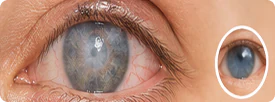
Eyelid & corneal Disease
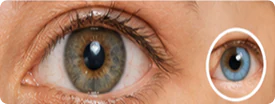
Normal
Eyelid & corneal Disease
Diagnosis and specialist management of eyelid conditions including Chalazion and urgent corneal ulcers.

Visual pathway

Normal
Neuro-Ophthalmology
Visual pathway disorders, optic nerve disease, and neurological eye conditions.

Paediatric Ophthalmology
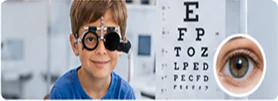
Normal
Paediatric Ophthalmology
Eye conditions in children including paediatric retinal disease.
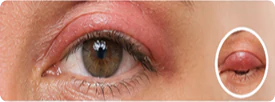
Eyelid & Periocular
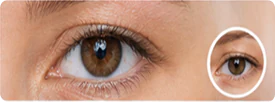
Normal
Eyelid & Periocular Conditions
Chalazion, eyelid lumps, malpositions, and periocular conditions including blepharitis.
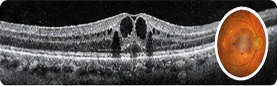
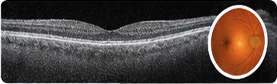
OCT & Specialist Diagnostics
Optical coherence tomography, fundus photography, angiography, Visual field, and specialist imaging.
This list is not exhaustive. If you have concerns about your eyesight, have been referred by another clinician, or have been told by your optometrist that further assessment is needed, contact LIPS Healthcare to discuss whether an appointment is appropriate.
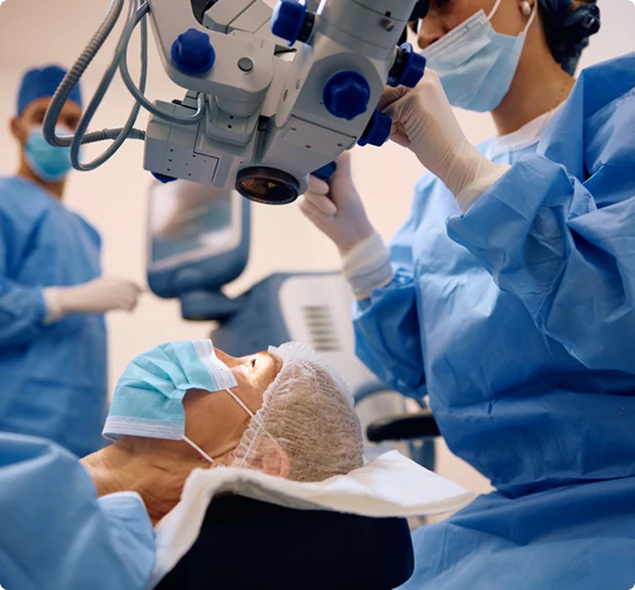
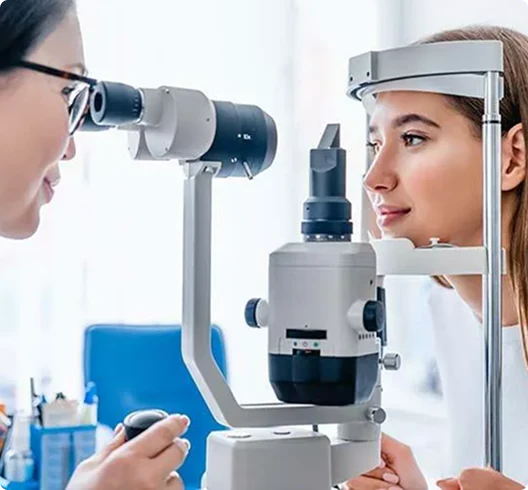
Your first appointment with a private ophthalmologist is a comprehensive clinical assessment. At LIPS Healthcare, a typical consultation includes the following six stages:
1
your symptoms, any medical conditions, medications, and family history of eye disease.
2
a standardised assessment of what you can see at distance and near.
3
detailed microscopic examination of the structures at the front and back of the eye.
4
In some cases, dilated fundus examination may need to be performed, drops to widen the pupil allow a thorough assessment of the cataract, retina and optic nerve.
5
OCT scan, visual field, fundus photography, or other imaging as clinically indicated.
6
Will explain the findings clearly and discuss your options without pressure.
You do not need a letter from your GP. Book directly through LIPS Healthcare and our team will contact you beforehand if any preparation is required. If dilating drops will be used during your appointment, you will need to arrange transport home as your near vision may be temporarily affected.

LIPS Ophthalmology specialists treat a variety of eye conditions, including cataracts, glaucoma, macular degeneration, diabetic retinopathy, retinal detachment, corneal diseases, and refractive errors like nearsightedness, farsightedness, and astigmatism. Whether it's a common issue like cataracts or a more complex condition like diabetic retinopathy, our specialists are trained to provide comprehensive care for all aspects of eye health.
At LIPS, our Ophthalmology specialists are dedicated to staying informed about the latest advancements in eye care through continuing education, participation in conferences, and collaboration with colleagues in the field. By actively engaging in ongoing learning and professional development, our specialists ensure they provide our patients with the most innovative and effective treatment options available in Ophthalmology.
You should visit a LIPS Ophthalmology specialist if you experience symptoms such as blurry vision, eye pain, redness, floaters or flashes of light, sudden vision loss, or if you have a family history of eye diseases. Whether it's a minor discomfort or a sudden change in vision, it's important to seek prompt evaluation from an Ophthalmology specialist to address any potential issues and prevent further complications.
During an appointment with a LIPS Ophthalmology specialist, you can expect a comprehensive eye examination, including vision testing, evaluation of eye health, and diagnostic tests such as tonometry, retinal imaging, and visual field testing if needed. Based on the findings, our specialist will discuss treatment options, which may include medications, corrective lenses, surgery, or other interventions tailored to your specific needs. Our goal is to provide personalised care that optimises your eye health and vision.
Yes, LIPS Ophthalmology specialists are skilled in performing a variety of eye surgeries to address different conditions. Common procedures performed by our specialists include cataract surgery, LASIK or other refractive surgeries, glaucoma surgery, retinal surgery, corneal transplants, and eyelid surgery. Our specialists utilise advanced surgical techniques and state-of-the-art technology to ensure safe and effective surgical outcomes for our patients.
To maintain good eye health, it's essential to have regular eye examinations, eat a healthy diet rich in fruits and vegetables, protect your eyes from UV radiation by wearing sunglasses, avoid smoking, maintain a healthy weight, and practise proper eye hygiene, such as washing your hands before touching your eyes and taking breaks from screen time to reduce eye strain. Additionally, it's crucial to promptly address any eye-related symptoms or concerns by seeking evaluation and treatment from a qualified Ophthalmology specialist.