Fatigue, low sex drive, mood changes, loss of muscle mass, poor sleep, and difficulty concentrating are the most frequently reported signs. No single symptom is definitive. If several are present together, a blood test is the recommended next step.
- Home
- About LIPS Healthcare
- Health Blogs
- Signs Of Low Testosterone
Signs of Low Testosterone in Men:
When to Consider Testosterone Replacement Therapy
TOPICS:
Low TestosteroneTestosterone Replacement TherapyTRTMen's HealthBattersea Power Station
LIPS Healthcare Marketing Team
29, September 2026

Low testosterone affects an estimated 1 in 5 men over 45 in the UK, yet most go undiagnosed for years. The signs are often dismissed as stress or ageing: persistent fatigue, low sex drive, difficulty building muscle, and low mood. This guide explains how to recognise them, what a diagnosis involves, and when TRT may be the right next step.
TABLE OF CONTENTS:
- 1What is low testosterone and how common is it in UK men?
- 2The most common signs of low testosterone in men
- 3Symptoms often confused with low testosterone
- 4How low testosterone is diagnosed: blood tests and levels
- 5When should you consider testosterone replacement therapy?
- 6Frequently asked questions about low testosterone symptoms
What is low testosterone and how common is it in UK men?
Low testosterone, clinically known as hypogonadism or testosterone deficiency, is a condition where the body produces insufficient testosterone to maintain normal physiological function. It affects an estimated 1 in 5 men over 45 in the UK, though many remain undiagnosed.
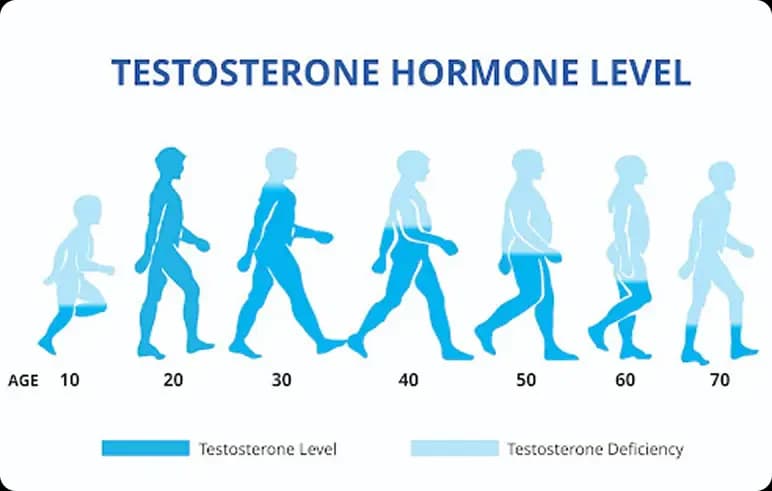
Testosterone naturally declines with age, by around 1 to 2 per cent per year after the age of 30. For some men, the drop is significant enough to produce symptoms that affect quality of life, energy, body composition, and sexual function. When those symptoms are present and a blood test confirms deficiency, treatment becomes a clinical conversation worth having.
The most common signs of low testosterone in men
The signs of low testosterone vary between men, but several patterns appear consistently across clinical presentations.
Fatigue and low energy:
- Men often describe exhaustion despite adequate sleep and a persistent lack of motivation that does not improve with rest.
Low sex drive:
- A noticeable decline in libido, particularly one that is new or has worsened over time, is one of the clearest clinical indicators of testosterone deficiency.
Mood changes:
- Low mood, irritability, and difficulty concentrating are common and frequently mistaken for depression or burnout.
Loss of muscle mass and increased body fat:
- Particularly around the abdomen, can signal a hormonal shift. Testosterone plays a direct role in how the body builds and maintains muscle tissue.
Poor sleep quality:
- Including difficulty falling asleep or frequent waking, has a well-documented relationship with testosterone levels.
Erectile dysfunction:
- Erectile dysfunction and reduced morning erections can occur when testosterone falls significantly below optimal levels.
Brain fog:
- Including difficulty with memory, concentration, and mental clarity, is reported by many men with confirmed testosterone deficiency.

If several of these signs are present together, a blood test is the appropriate next step.
Symptoms often confused with low testosterone
Several conditions produce symptoms that overlap significantly with testosterone deficiency. This is why a blood test rather than self-diagnosis is essential.
Depression
Depression shares many features with low testosterone
low mood
fatigue
poor concentration
reduced libido
The two can also occur together, with low testosterone worsening an existing mood disorder.
Thyroid dysfunction
Thyroid dysfunction produce
fatigue
weight changes
mood disturbance
That closely mirror low T symptoms. A thorough blood panel should include thyroid markers alongside testosterone.
Sleep disorders
Sleep disorders particularly obstructive sleep apnoea, cause
fatigue
cognitive difficulty
That can look identical to testosterone deficiency. Untreated sleep apnoea can also contribute to lower testosterone levels.
Anaemia
Anaemia produces
fatigue
low energy
That is sometimes attributed to testosterone before the underlying cause is identified.
A thorough clinical history and a full blood panel are the only reliable way to identify what is actually driving your symptoms.
How low testosterone is diagnosed: blood tests and levels
Low testosterone is diagnosed through a blood test, not through symptoms alone. Symptoms indicate that testing is warranted. The blood result determines whether testosterone deficiency is the cause.
A standard diagnostic panel measures total testosterone, LH, FSH, SHBG, and oestradiol. Testing should be done in the morning, when levels are naturally at their peak. A single low result is typically repeated before a diagnosis is confirmed.
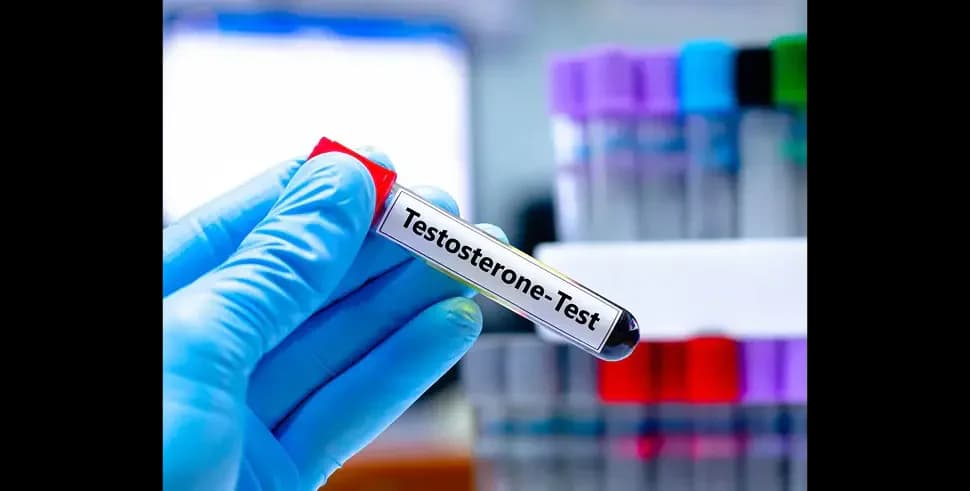
In the UK, a total testosterone level below 12 nmol/L is generally considered low, based on British Society for Sexual Medicine guidelines. Men with levels in the 8 to 14 nmol/L range and significant symptoms may still be candidates for treatment, depending on clinical context.
At LIPS Healthcare in Turbine Hall B, Battersea Power Station, blood tests are processed on-site with results back within 24 to 48 hours. Patients from Chelsea, Vauxhall, Pimlico, and Wandsworth can book directly with no GP referral required, via the Northern line or London Overground.
When should you consider testosterone replacement therapy?
TRT is appropriate when two conditions are met: confirmed low testosterone on a blood test, and symptoms that are affecting your quality of life. Neither alone is usually sufficient for treatment.
If your results show borderline or low-normal levels but your symptoms are significant, a specialist physician can help you weigh the clinical case. This is a conversation that benefits from experienced clinical judgement, not a decision based on a home test result.
For men who meet the clinical criteria, TRT can deliver meaningful improvements in energy, mood, libido, and body composition within weeks to months of starting. Results vary depending on the individual, the delivery method, and how consistently monitoring is maintained.
Fertility consideration:
TRT suppresses the body's natural testosterone production and reduces sperm output (spermatogenesis). For men who may wish to have children in the future, this is a critical counselling point that should be discussed with your clinician before treatment begins. Alternative approaches or fertility preservation options may be appropriate.
TRT is not suitable for all patients. Contraindications include active prostate or breast cancer, a baseline haematocrit above 0.54, severe untreated obstructive sleep apnoea, and uncontrolled heart failure. Your clinician will assess these at your initial appointment.
TRT is also typically a long-term commitment. Once started, it suppresses endogenous testosterone production, and stopping treatment requires careful clinical management. This is an important part of the decision-making process and should be discussed at the outset.
LIPS Healthcare offers a full TRT assessment at Battersea Power Station, led by a specialist in men's health and hormone optimisation. No waiting list. No GP referral needed.
Medical disclaimer
This article is for informational purposes only and does not constitute medical advice, diagnosis, or treatment. Always seek the advice of a qualified clinician for any medical condition. Source: NHS guidance on urgent care and walk-in centres, available at nhs.uk.
Frequently asked questions (FAQS)
Yes, though the relationship is complex. Low testosterone can directly cause low mood, motivation loss, and emotional flatness. It can also worsen an existing mood disorder. Distinguishing between the two requires a clinical assessment and a blood test, not a symptom checklist alone.
Below 12 nmol/L is generally considered low in UK clinical practice, based on British Society for Sexual Medicine guidance. Men with levels between 8 and 14 nmol/L who have significant symptoms may still be candidates for treatment. A specialist assessment is required.
Through a morning blood test measuring total testosterone, LH, FSH, SHBG, and oestradiol. A single low result is typically repeated before a diagnosis is confirmed. At LIPS Healthcare, results are returned within 24 to 48 hours with a specialist review included.
No. Sleep, body composition, alcohol intake, and stress management all influence testosterone levels and are worth addressing first. However, for men with clinically confirmed deficiency and significant symptoms, TRT is the most evidence-based treatment available. Lifestyle changes alone are unlikely to restore levels to a clinically meaningful range.
Yes. LIPS Healthcare offers private testosterone blood tests at Battersea Power Station with no referral required. Results are reviewed by a specialist, and you will receive clear guidance on whether your levels support a clinical case for TRT.