Under 120/80 and above 90/60 for most adults. Readings often creep up with age, but the 140/90 line for high blood pressure is the same for all adults. Treatment targets can differ for people over 80, and your GP will explain what applies to you.
- Home
- About LIPS Healthcare
- Health Blogs
- Blood Pressure Check London
Blood Pressure Check in London: What Your Numbers Mean and When to Get One
LIPS Healthcare Marketing Team
24, November 2026
Most people with high blood pressure have no idea they have it. They feel fine, sleep fine and get on with their week, while the pressure inside their arteries sits higher than it should. A blood pressure check is the only way to find out, and it takes a couple of minutes.
The timing matters. National figures published in November 2026 show emergency hospital admissions for high blood pressure rose by 77% between 2019/20 and 2025/26, with women making up a third more of those cases than men. A reading taken early gives you time to do something about it. Below, we walk through what the numbers mean, who should be checked, and where to get a blood pressure check in London.
At a glance
- Healthy for most adults: between 90/60 and 120/80.
- High: 140/90 or above when measured in a clinic.
- Feeling fine proves nothing, so the only way to know is a check.
TABLE OF CONTENTS:
What is a normal blood pressure reading?
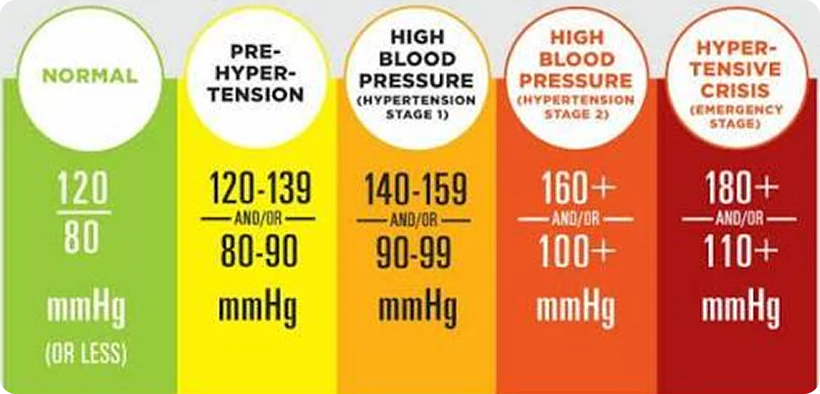
For most adults, a normal blood pressure reading sits between 90/60mmHg and 120/80mmHg. You will always see two numbers. The top one, systolic, is the pressure as your heart squeezes blood out. The bottom one, diastolic, is the pressure while your heart rests between beats. Roughly speaking, a clinic reading falls into one of these bands:
- Below 90/60: on the low side, and usually nothing to worry about unless you feel dizzy or faint.
- 90/60 to 120/80: the ideal range.
- 120/80 to 140/90: slightly raised, and a nudge to look at your lifestyle.
- 140/90 or higher: high blood pressure.
- 180/120 or higher: very high, so get medical advice the same day.
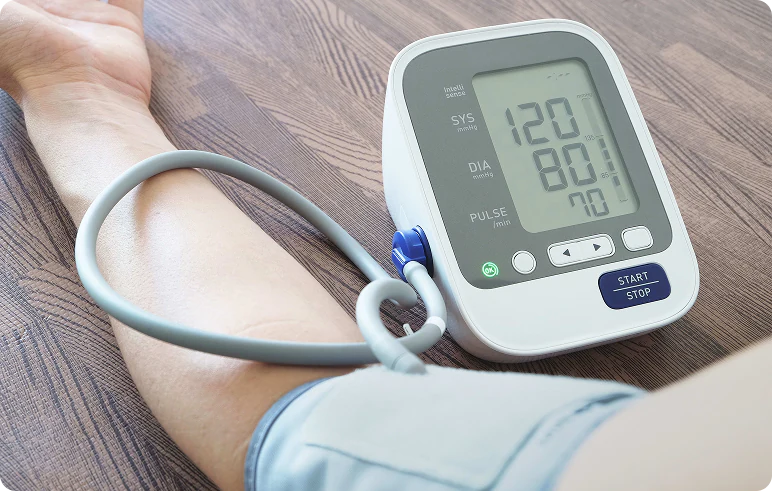
Home readings are judged a little more strictly, with 135/85 as the cut-off, because most of us are calmer on the sofa than in a consulting room. And one high reading does not make a diagnosis. Your GP will want to see it repeated, or ask you to take readings at home for up to a week, before deciding anything.
Why high blood pressure often has no symptoms
High blood pressure rarely causes symptoms because the damage happens slowly and out of sight. Your heart and blood vessels adapt to the extra pressure over years, so nothing hurts and nothing feels different. Meanwhile, the risk of heart attack, stroke, kidney disease and vascular dementia creeps up.
People sometimes put headaches, nosebleeds or a flushed face down to blood pressure, but none of these are reliable warning signs. If you wait to feel something, you have usually waited too long.
Who should get their blood pressure checked?
Anyone over 40 should have their blood pressure checked at least every five years, more often if an earlier reading was borderline. You are also more likely to have raised blood pressure if you are over 65, have a parent or sibling with it, or are of Black African or Black Caribbean heritage. Everyday habits count too. Carrying extra weight, eating a lot of salt and not much fruit or veg, rarely exercising, drinking regularly, smoking, and running on poor sleep or constant stress all push it in the wrong direction.
Women should pay closer attention from midlife, because blood pressure tends to rise after menopause, something our guide to menopause and heart health looks at in more detail.
If a few of those apply to you, do not wait for a routine appointment to come round. A reading now gives you a baseline, and a baseline is what makes every future reading meaningful
Where can you get your blood pressure checked in London?
You can get your blood pressure checked at a GP practice, and many pharmacies offer a free quick check too. A GP appointment is the most useful place to start, though, because the reading comes with someone who can explain it. A clinically validated home monitor also helps if your clinic readings are borderline or you tense up the moment the cuff goes on.

At LIPS Healthcare, a GP can take your blood pressure, talk you through what it means and arrange any follow-up tests in the same visit. If you would rather see the whole picture at once, our GP health screening packages pair a blood pressure check with blood tests for cholesterol, blood sugar and kidney function.
Looking for a blood pressure check near you in south-west London? We are on the first floor of Turbine Hall B at Battersea Power Station, a short walk from the Northern line and easy to reach on the London Overground. Plenty of patients come in from Chelsea, Clapham, Vauxhall, Pimlico, Wandsworth and Nine Elms, and because the clinic is open seven days a week, a check can fit around work rather than the other way round.
What happens if your blood pressure reading is high?
One high reading means checking again, not panicking. Your GP will usually confirm it with repeat readings, a 24-hour monitor or up to a week of home readings, and may suggest blood and urine tests or an ECG to see how your heart and kidneys are coping.

If high blood pressure is confirmed, lifestyle changes often come first: cutting back on salt and alcohol, eating more fruit and vegetables, moving more, stopping smoking and sleeping better. Some people need medication as well. Where readings are very high, or there are other heart risks in the mix, a cardiologist can help, and the LIPS cardiology team sees patients privately at Battersea Power Station.
Get urgent help: call 999 if your reading is 180/120 or above and you also have a severe headache, chest pain, shortness of breath, changes in your vision, confusion, or weakness on one side of your body. If your reading is that high but you feel well, get same-day medical advice; the LIPS Urgent Care Centre can see you without an appointment. LIPS Healthcare is not an emergency service.
Medical disclaimer
This article is for informational purposes only and does not constitute medical advice, diagnosis, or treatment. Always seek the advice of a qualified clinician for any medical condition. Source: NHS guidance on urgent care and walk-in centres, available at nhs.uk.
FAQs
Every five years from 40, as a minimum. More often if a reading was borderline, you have risk factors, or your GP has asked you to keep an eye on it.
Yes, for a while. Nerves can nudge a reading up, which is exactly why a single high result is repeated before anyone makes a diagnosis.
It takes a few minutes, and it does not hurt. You sit and rest for a moment, a cuff around your upper arm tightens for a few seconds, which feels a bit snug, and the reading appears straight away. Your GP will usually take a second reading to compare.
Yes. A GP can check it, explain what the numbers mean and arrange any follow-up. At LIPS Healthcare, you can book a private GP appointment any day of the week.
Sit quietly first. Skip caffeine, cigarettes, and exercise for half an hour beforehand; rest for five minutes with your back supported, keeping your arm at heart level.
Sources
- NHS England, November 2026: emergency admissions for high blood pressure, 2019/20 to 2025/26
- NICE NG136: Hypertension in adults: diagnosis and management
- British and Irish Hypertension Society: validated blood pressure monitors
- NHS: High blood pressure (hypertension)